

Peptides have gained significant attention in recent years across scientific research, biotechnology, and even wellness discussions. These short chains of amino acids play a crucial role in biological processes such as cell signaling, hormone production, and tissue repair. Because of their growing importance, many people are now asking a key question: where can you actually buy peptides safely and reliably?
The first and most important thing to understand is that peptides are primarily sold for research purposes, not for direct human use. Many products you’ll find online are labeled “for research use only,” meaning they are intended for laboratory, educational, or experimental applications. According to scientific resources, peptides are widely used in research and drug development because of their high specificity and effectiveness in targeting biological pathways.

When it comes to buying peptides, one of the safest options is to purchase from established scientific suppliers. Companies like specialized research chemical providers and laboratory distributors typically offer peptides that are tested for purity and consistency. For example, some suppliers provide peptides with purity levels above 95–99%, verified through analytical methods such as HPLC and mass spectrometry.
These quality checks are essential because even small impurities can affect research results.
Another reliable route is purchasing through biotech and life science companies. These suppliers often cater to universities, research labs, and pharmaceutical development teams. They usually offer detailed product specifications, batch testing information, and proper documentation. Some platforms even allow custom peptide synthesis, where researchers can request specific amino acid sequences for their work.
In addition to direct suppliers, there are also research databases and platforms that help users identify trusted vendors. These platforms don’t always sell peptides themselves, but they provide valuable insights into supplier quality, product verification, and available compounds. Some databases include evidence grading and vendor comparisons, helping researchers make more informed decisions before purchasing.
However, not all sources are equally trustworthy. The rise of online marketplaces and social media has made peptides more accessible—but also more risky. Many websites advertise peptides with bold claims about performance, anti-aging, or muscle growth. In reality, a large portion of these products are unregulated and not clinically approved. Experts warn that some peptides sold online may carry serious health risks due to lack of testing, improper dosing information, or contamination.
This is why it’s critical to avoid buying peptides from unknown or unverified sellers. Low prices, lack of documentation, and vague product descriptions are all red flags. A trustworthy supplier should always provide:
- Certificates of analysis (COA)
- Clear labeling and batch numbers
- Verified purity levels
- Transparent sourcing and manufacturing details
If any of these are missing, it’s best to look elsewhere.

Another important factor to consider is legal and regulatory status. Peptides are regulated differently depending on the country. Some peptides are approved for medical use under prescription, while others are restricted or only allowed for research purposes. There have even been recent discussions about changing regulations around certain peptides, highlighting how quickly this field is evolving. () Before purchasing, it’s important to check local laws to ensure compliance.
Online communities and forums sometimes discuss peptide sources, but these should be approached with caution. While some users share experiences and recommendations, others may promote unreliable vendors. For example, discussions on forums show that researchers often prioritize supplier consistency, documentation, and research goals when choosing peptides. Still, personal opinions should never replace proper verification and due diligence.
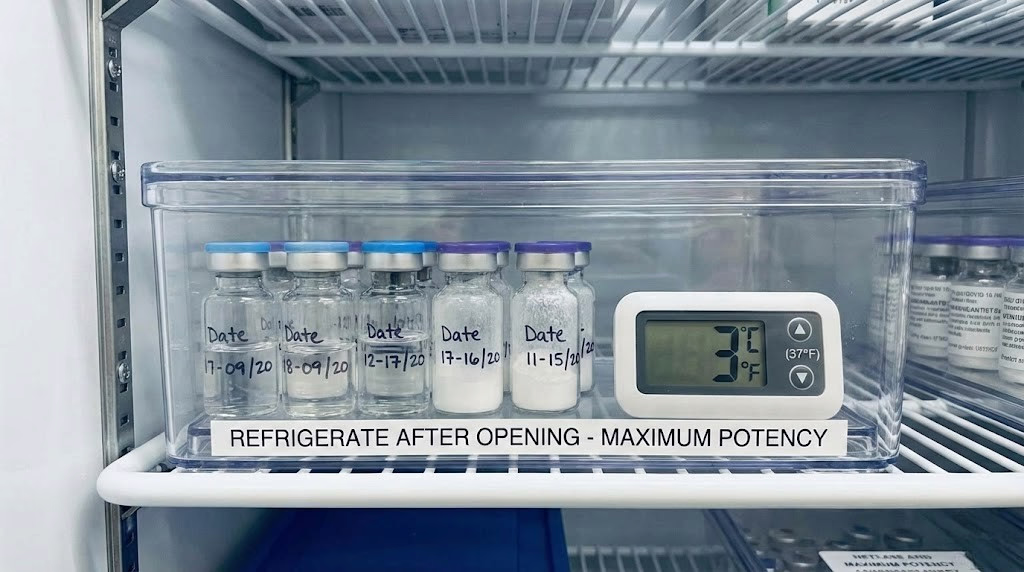
It’s also worth noting that peptides require proper storage and handling after purchase. Most are sensitive to temperature, light, and contamination. Reliable suppliers usually provide storage guidelines, such as refrigeration or protection from moisture, to maintain stability and effectiveness. Without proper handling, even high-quality peptides can degrade quickly.
For those new to this field, education is just as important as sourcing. Understanding what peptides are, how they work, and how they should be used in a research setting can help prevent mistakes. There are many educational platforms and scientific resources available that explain peptide mechanisms, applications, and safety considerations in detail.
In conclusion, buying peptides is not as simple as placing an online order. It requires careful evaluation of the supplier, product quality, legal considerations, and intended use. The safest approach is to choose reputable scientific suppliers, verify all documentation, and avoid unregulated marketplaces that make unrealistic claims. As interest in peptides continues to grow, staying informed and cautious is the best way to ensure both safety and reliability.
Whether you are a researcher, student, or simply exploring the topic, taking the time to understand where and how to buy peptides can make all the difference. In a field where precision matters, choosing the right source is the first and most important step.
Leave a Reply